Bonnevaux, 11 luglio 2026
Carissime sorelle e carissimi fratelli nel nostro santo padre Benedetto,
Oggi celebriamo la Festa durante la nostra Scuola estiva di Bonnevaux. Abbiamo invitato anche i nostri vicini e, insieme a loro, questo pomeriggio ascolteremo i membri della nostra comunità raccontare ciò che hanno imparato, vivendo qui, sulla sapienza contemporanea di Benedetto. Oggi, mentre salivo alla preghiera di mezzogiorno nel Granaio con un’oblata che viene regolarmente a fare volontariato, mi ha detto in poche parole ciò che trova qui e ciò che la fa tornare: «soprattutto, è il ritmo della vita. Tutto è portato da quel ritmo e acquista profondità e significato».
La nostra esperienza generale della vita odierna non è ritmica, ma molto frammentata, imprevedibile e destabilizzante. Imparare a vivere nel ritmo dell’obbedienza, della stabilità e della continua conversione del cuore non risolverà immediatamente tutti i problemi del mondo. Neppure il nostro ritmo quotidiano di lectio e meditazione rende la vita priva di difficoltà. Ma apre, e mantiene aperta, la sorgente interiore della pace e della speranza nella gioia dello Spirito; questo significa che possiamo affrontare le difficoltà — e più che affrontarle —, trasformando le prove e perfino i conflitti in realtà che arricchiscono e illuminano. La sapienza di Benedetto è radicata nell’ordinario, ma produce frutti straordinari:
Apriamo gli occhi alla luce che divinizza e le orecchie alla voce che viene dal cielo… C’è qui qualcuno che desidera la vita e brama vedere giorni felici? Se ascolti questo e rispondi: «Io», cerca la pace e perseguila… e prima ancora che tu mi invochi, io ti dirò: «Eccomi». Che cosa c’è di più dolce, cari fratelli e sorelle, di questa voce del Signore che ci chiama? Guardate come il Signore, nel suo amore, ci mostra la via della vita». (dal Prologo della Regola)
Questa chiamata a una vita autenticamente umana non è forse proprio la parola di sapienza che noi, come monaci benedettini o oblati, dovremmo diffondere in tempi così spesso tormentati dalla disperazione e dalla mancanza di fiducia nella nostra «magnifica umanità»?
Quando stavo pensando di diventare monaco, John Main mi chiese se fossi pronto a ciò che avrei trovato. Pensavo si riferisse a ciò a cui avrei rinunciato e a ciò da cui mi sarei congedato. Sorrise e disse: «No, non è questo che intendo. Sei pronto per la gioia?». La mia vita da monaco non è sempre stata facile — quella di chi lo è? —, ma la sua domanda mi ha risvegliato al suo vero significato, alla vera ricerca.
Qualche giorno fa sono andato a pregare e a pranzare con i monaci di Ligugé, il monastero più antico d’Europa, che si trova a breve distanza da Bonnevaux. Dopo pranzo mi sono seduto con la comunità in giardino, davanti a un caffè; abbiamo parlato della nostra vita, condiviso notizie e riso insieme. Sulla via del ritorno, la mia auto ha forato su una strada isolata, insegnandomi ad accettare qualunque cosa accada. Mentre aspettavo aiuto, ho avuto anche il tempo di ricordare le parole di sant’Aelredo di Rievaulx ne «L’amicizia spirituale»:
L’altro ieri, mentre passeggiavo per il monastero con i fratelli seduti in un cerchio colmo d’amore, mi meravigliavo delle foglie, dei fiori e dei frutti di ogni singolo albero, come se fossi nei pergolati profumati del paradiso. Non trovando una sola anima che non amassi e, ne ero certo, una sola anima dalla quale non fossi amato, fui colmato di una gioia che superava tutte le delizie del mondo.
Certo, forse non accade ogni giorno, o non nella stessa misura, ma questa è la sapienza di Benedetto su ciò a cui dovremmo essere preparati e su quale sia la vera magnificenza della vita umana.
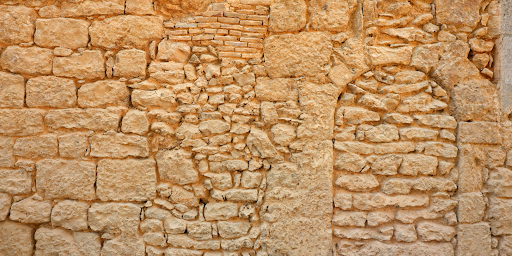
Stiamo restaurando la piccola cappella di Bonnevaux (si veda la foto di questa pagina). Quando abbiamo rimosso l’intonaco del XIX secolo, sono riapparse le splendide pietre antiche del XII secolo. Abbiamo anche scoperto che le fondamenta più profonde risalivano al VI secolo. Nella foto si può vedere il telaio della porta che dal chiostro conduceva alla vecchia chiesa, oggi scomparsa. Siamo parte di una grande tradizione, un fiume di sapienza che non si è mai prosciugato e trova sempre nuovi sbocchi. Il nostro impegno nell’obbedienza, nella stabilità e nella conversione, nella lectio e nella pura preghiera del cuore, rende la nostra comunità d’amore un autentico monastero benedettino senza mura, ma con porte interiori che conducono alla stanza colma di luce divinizzante.
Buona Festa, e possa il celebrarla aiutarci a condividere generosamente con tutti la sapienza di Benedetto.
Con tutto il mio affetto

Laurence Freeman OSB
§§§§§§§§§§§§§§§§
VERSIONE IN INGLESE
July 11th 2026
Bonnevaux
Dearest Sisters and Brothers in our Holy Father Benedict,
Today we are celebrating the Feast during our Bonnevaux Summer School. We have invited our local neighbours as well and with them, this afternoon, we will hear from the residents in our community what they have learned by living here about the contemporary wisdom of Benedict. As I walked up to the midday prayer in the Barn today with an oblate who comes regularly to volunteer, she told me in a few words what she finds and what brings her back, ‘above all it’s the rhythm of the life. Everything is carried in that rhythm and given depth and meaning.’
Our general experience of life today is not rhythmical but very disjointed, unpredictable and disruptive. Finding how to live in the rhythm of obedience, stability and continuous conversion of heart won’t immediately solve all the world’s problems. Nor does our daily rhythm of lectio and meditation make life trouble-free. But it opens and keeps open, the inner spring of peace, hope in the joy of the Spirit and this means we can cope – and more than cope – we can turn hardship and even conflict into enriching and enlightening things. Benedict’s wisdom is grounded in the ordinary but it produces extraordinary fruits:
Let us open our eyes to the divinising light and our ears to the voice from heaven.. Is there anyone here who yearns for life and desires to see good days? If you hear this and answer ‘I do’… let peace be your quest and aim… and even before you ask me I will say, ‘Here I am’. What dear brothers and sisters is more delightful than this voice of the Lord calling to us. See how the Lord in his love shows us the way of life.’ (Prologue)
Isn’t this call to true human life just the word of wisdom that, as Benedictine monks or oblates, we should circulate in times so often bedevilled by hopelessness and a lack of confidence in our ‘magnificent humanity’?
As I was wondering about becoming a monk, John Main asked me if I was prepared for what I was going to find? I thought he was referring to what I would be giving up and saying goodbye to. He smiled and said, ‘no that’s not what I mean. Are you prepared for the joy?’ My life as a monk has not always been easy – whose is? – but his question awakened me to its true meaning, the true quest.
A few days ago, I went to pray and have lunch with the monks of Ligugé, the oldest monastery in Europe, which is a short distance from Bonnevaux. After lunch I sat with the community in the garden over coffee as we discussed our life, shared news and laughed together. As I drove back, my car had a puncture on a remote road, teaching me to accept whatever comes. As I waited for help, it also gave me time to remember the words of St Aelred of Rievaulx in ‘Spiritual Friendship’.
The day before yesterday as I was walking around the monastery with the brothers sitting in a most loving circle, I marvelled at the leaves, blossoms and fruits of each single tree as if I were in the fragrant bowers of paradise. Finding not one soul whom I did not love and, I was sure, not one soul by whom I was not loved I was filled with joy that surpassed all the delights of the world.
Well, of course, maybe not every day, or to the same degree, but this is the wisdom of Benedict about what we should be prepared for and what is the true magnificence of human life.
We are renovating the small chapel at Bonnevaux. When we removed the 19th century plaster the beautiful old stones of the 12th century were revealed. We also found the deepest foundations dated back to the 6th century. In the picture you can see the frame of the door that led from the old church, now gone, from the cloister. We are part of a great tradition, a river of wisdom that has never run dry and always find new outlets. Our commitment to obedience, stability and conversation, to lectio and the pure prayer of the heart is what makes our own community of love a truly Benedictine monastery without walls but with interior doors leading to the room filled with divinising light.
Happy Feast and may celebrating it help us to share the wisdom of Benedict generously with all.
With my love
Laurence Freeman OSB